Home / CNC Machining Services / Aluminum Alloy Machining Service
Aluminum Alloy Machining Service
JS Model’s aluminum alloy machining service produces custom brackets, housings, plates, and precision components in our Shenzhen workshop. We combine CNC milling and turning with alloy selection, finishing, and inspection for prototypes and small batches of 1–100 parts.
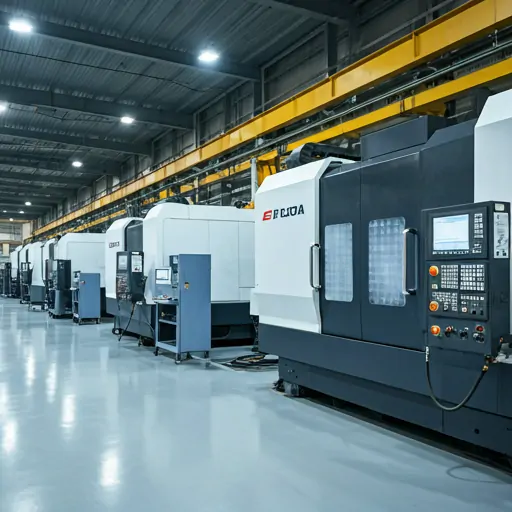
Match the machining approach to tool access, part geometry, and critical features. Our 3-, 4-, and 5-axis mills support aluminum housings, brackets, plates, and multi-sided components.
Machine accessible faces, pockets, mounting holes, and other features with 3-axis milling. We review part orientation, internal radii, thin walls, and tool access against the drawing.
Rotary positioning provides access to features around a part, reducing repeated manual repositioning for suitable geometry. We plan the setup around multi-sided relationships, datums, and clamping access.
5-axis machining improves access to inclined faces and multi-sided features. Indexed positioning and suitable tool orientations are planned around workholding, surface requirements, and critical dimensions.
Our Shenzhen workshop supports aluminum prototypes and small batches, with machining setups and inspection matched to part geometry and finish requirements.
40+
CNC Machines
±0.01
mm Tight Feature Tolerance
1
Prototype Minimum Order
24
Hour Quote Response
Engineering Support for Aluminum Parts
We review alloy, geometry, and finish together, then plan machining and checks around the approved drawing.
Alloy and Temper Review
Match material condition to strength, machining stability, and finish requirements.
Thin-Wall and Tool Access Review
Check wall height, pocket depth, internal radii, and clamping areas.
In-House CNC Machining
Machine aluminum components in our Shenzhen workshop using suitable CNC setups.
Dimensional and Cosmetic Checks
Check critical features and visible surfaces, with inspection reports when required.
From Aluminum Prototypes to Small Batches
Start with a machined prototype to review fit and function, then carry approved drawings, material, and finish requirements into small-batch production.
Aluminum Prototypes
Machine aluminum prototypes for assembly checks and functional evaluation. We review the drawing, critical features, and finish requirements before planning the tooling and setup.
✓From 1 Prototype
✓Free DFM Feedback
✓Alloy and Stock Review
✓Fit and Function Evaluation
✓Quotes Within 24 Hours
✓Typical Lead Time: 7–14 Days
Small-Batch Aluminum Parts
Produce batches of 1–100 parts per design with machining, finishing, and checks coordinated around approved specifications. Critical dimensions and cosmetic surfaces are identified before production.
✓Flexible Batches of 1–100 Parts
✓Approved Drawing Revisions
✓Tight Features Down to ±0.01 mm
✓Finishing and Assembly Support
✓Drawing-Based Quality Checks
✓Reports Available When Required
Multi-Part Small-Batch Orders
Order several aluminum part numbers in small quantities. We coordinate material, setups, finishing, and identification for each design, helping related components arrive ready for your build.
✓Multiple Part Numbers per Order
✓Quantities Defined per Design
✓Material and Temper Recorded
✓Finishing Requirements Coordinated
✓Parts Identified for Delivery
✓One Point of Contact
Why Choose JS Model for Aluminum Machining?
Coordinate alloy choice, geometry, and finishing through one team from drawing review to delivery.
1. Practical Alloy Selection
Review grade and temper around strength, stock, machining, and appearance.
2. Controlled Machining Setups
Plan workholding and cutting sequence around thin walls and critical features.
3. Finishing Planned Early
Identify visible faces, masking areas, and dimensions affected by coatings.
4. Prototype and Small-Batch Focus
Support single prototypes, repeat parts, and orders with multiple designs.
Get Aluminum Parts in 4 Steps
Send CAD and drawing requirements. We review the design, confirm pricing, and coordinate machining, finishing, inspection, and delivery.
1
Upload Your Design
Send CAD, material grade and temper, quantity, critical dimensions, and finish requirements.
2
Review the Quote
We assess tool access, tolerances, stock, and finishing, then confirm pricing and lead time.
3
Machine Your Parts
After approval, we machine to the current drawing and coordinate the specified finishing and assembly.
4
Inspect and Deliver
We check agreed dimensions and appearance, then pack parts to protect machined and finished surfaces.
Benefits of CNC-Machined Aluminum Parts
Aluminum machining combines low weight with detailed geometry and a range of finishes. Selecting the right alloy and setup helps balance function, dimensional requirements, and appearance.
Lightweight Components
Use aluminum for housings, brackets, and moving components where weight matters alongside strength and geometry.
Detailed Machined Features
Machine pockets, holes, grooves, and mating surfaces from stock, with tool access reviewed before production.
Alloy-Specific Performance
Select grade and temper around strength, corrosion resistance, machining behavior, and service conditions.
Functional Metal Prototypes
Evaluate fit and function using the specified aluminum alloy before ordering repeat parts or a small production batch.
Multi-Sided Machining
Use suitable rotary or 5-axis setups to reach inclined features and reduce repositioning for compatible designs.
Flexible Design Changes
Machine revised designs from updated CAD, with tooling and fixture needs reviewed around the next build.
Defined Surface Finishes
Combine machining with selected finishes around cosmetic faces, mating features, and specified contact areas.
Coordinated Part Sets
Order related aluminum components together, with material, finish, identification, and assembly requirements coordinated across the part set.
Aluminum Machining Tolerances
Typical feature tolerances are ±0.05 mm, with tighter tolerances down to ±0.01 mm for suitable geometry. We review critical dimensions, GD&T, and finishing effects against your drawing before production.
Feature
Typical Tolerance
Tight Tolerance
Linear dimension
±0.05 mm
Down to ±0.01 mm
Hole diameters
±0.05 mm
Down to ±0.01 mm
Shaft diameters
±0.05 mm
Down to ±0.01 mm
Threads
Metric / UNC / UNF
Special threads reviewed on request
Gantry CNC travel (X × Y × Z)
2,500 × 1,800 × 600 mm; usable part size depends on tooling and workholding.
Aluminum Alloys and Stock Options
Choose alloy, temper, and stock form around strength, machining stability, and finish. These options guide selection, with availability and exact material requirements confirmed during quotation.
6061 Aluminum
6061 is a practical general-purpose choice for housings, brackets, and precision parts. It combines good machinability, corrosion resistance, and a range of finishing options.
Typical Conditions: T6 / T651
Common Uses: Housings and brackets
Finish Notes: Cosmetic surfaces reviewed
Project Lead Time: 7–14 days
7075 Aluminum
7075 suits machined components where higher strength is required. Select the temper and protective finish around loading, service conditions.
Typical Conditions: T6 / T651
Common Uses: High-strength machined components
Finish Notes: Alloy and color review
Project Lead Time: 7–14 days
6082 Aluminum
6082 is a machinable option for brackets, plates, and mechanical components. Its strength and corrosion resistance suit many applications, with cosmetic finishing requirements reviewed separately.
Typical Conditions: T6 / T651
Common Uses: Brackets and mechanical parts
Finish Notes: Anodized appearance reviewed
Project Lead Time: 7–14 days
5052 Aluminum
5052 suits corrosion-resistant covers and panels, especially when forming accompanies machining. We review stock condition and feature details to plan cutting and support for thinner sections.
Typical Conditions: H32
Common Uses: Covers and panels
Finish Notes: Surface preparation reviewed
Project Lead Time: 7–14 days
5083 Aluminum
5083 offers good corrosion resistance for machined plates and housings. Stock condition, machining support, and finish expectations are reviewed where dimensional stability or visible surfaces matter.
Typical Conditions: H111
Common Uses: Plates and housings
Finish Notes: Alloy and appearance review
Project Lead Time: 7–14 days
Cast Aluminum Tooling Plate
Cast tooling plate suits fixture bases and reference plates. Stress-relieved stock supports machining stability, with grade, thickness, and critical flatness requirements reviewed before production.
Stock Type: Stress-relieved cast plate
Common Uses: Fixture and reference plates
Finish Notes: Supplier grade reviewed
Project Lead Time: 7–14 days
Surface Finishes for Aluminum Parts
Plan appearance, wear protection, and mating dimensions before machining. Finish selection considers the alloy, visible faces, masking needs, and how coating growth affects fit.
Anodizing
Anodizing forms a protective oxide layer on aluminum. Specify color, visible faces, and masking areas, with alloy and preparation reviewed for the required appearance.
Materials: Aluminum
Color: Clear, black, gray; others on request
Texture: Matte or satin, preparation dependent
Bead Blasting
Bead blasting creates a matte texture on accessible aluminum surfaces and can precede anodizing. Media, pressure, and masking are selected around cosmetic faces and thin features.
Materials: Aluminum
Color: Base material color
Texture: Matte
Powder Coating
Powder coating adds a protective colored finish to aluminum parts. Specify mating areas, threads, and grounding points requiring masking so coating buildup is included in the plan.
Materials: Aluminum
Color: RAL colors; matching on request
Texture: Matte, semi-gloss, or gloss
Hard Anodizing
Hard anodizing provides a wear-resistant oxide layer for suitable aluminum parts. Define coating thickness, masking, and final fit requirements, with color and texture reviewed by alloy.
Materials: Aluminum
Color: Natural gray or dark tones; black on request
Texture: Alloy and process dependent
Polishing
Polishing improves smoothness and reflectivity on accessible aluminum surfaces. Review cosmetic faces and edge requirements so material removal suits the dimensional tolerances and intended finish.
Materials: Aluminum
Color: Base material color
Texture: Smooth to reflective
Brushing
Brushing creates a directional satin grain on aluminum. Specify grain direction, visible faces, and any later anodizing so machining, preparation, and finishing follow the same appearance plan.
Materials: Aluminum
Color: Base material color
Texture: Directional satin
Custom Aluminum Parts and Inspection
Aluminum housings, brackets, plates, and heat-transfer components are common projects. Share drawings to discuss your geometry, material, and finish.
JS-MODEL has been engaged in CNC machining services for more than ten years and has served many overseas customers. Customer feedback is more substantive than any company statement — see what our partners say about working with us.
Mark Alford
Vice President
From the instant and accurate quotation to the production process to the timely delivery of parts, JS-MODEL responded to our demands with complete professionalism. They handled every aspect of this CNC machining project quickly and cost-effectively. We will surely work with them again in the future.
Luc Szorc
Mechanical Engineer
I’d like to thank everybody at JS-MODEL for the great service we received. You constantly handle our difficult CNC machining projects, and offer instant quotation and free DFM analysis. Best of all, you show superior quality in short lead times. The quality is outstanding!
Hari Mackenzie
Engineer
We asked JS-MODEL to fabricate parts for a critical supplier demo, and you came through with a short lead time. Your work is always high quality, and we are grateful for your precision in machining components. The help checking our designs and material selection has also saved us from expensive errors.
Raymond
Vice President
Parts arrived today — such beautiful aluminum parts! Assembly went smoothly and precision matched expectations. Please pass my thanks to your production team. We are going to send you more CNC milling projects for quote soon.
Applications for Machined Aluminum Parts
Machined aluminum supports housings, fixtures, mounting parts, and thermal components. We select material and machining setups around the geometry, service conditions, and finish requirements of each design.
Answers to common questions about aluminum alloys, CNC processes, part size, tolerances, thin features, anodizing, and project lead times.
What does your aluminum alloy machining service include?
We provide aluminum CNC milling and turning for prototypes and small batches, with finishing, assembly, and inspection coordinated to your drawings.
How should I choose between 6061 and 7075?
6061 is a common general-purpose choice; 7075 offers higher strength. Select the alloy and temper around loads, corrosion resistance, cost, and finish requirements.
Can I request other aluminum alloys?
Send grade, temper, stock form, and certification requirements. We review availability and machining suitability before quotation and agree on any proposed material substitution.
What tolerances can you achieve on aluminum parts?
Typical feature tolerances are ±0.05 mm, with tighter tolerances down to ±0.01 mm for suitable geometry. Critical features and finishing requirements are reviewed before production.
How large can an aluminum part be?
Use approx. 2,000 × 1,500 × 400 mm as an initial reference for suitable large parts. Actual size depends on stock, geometry, tool access, and workholding.
What should I consider for thin walls and deep pockets?
Start wall planning at approx. 1.0 mm, then review wall height, pocket depth, tool access, and support. Thinner sections need a part-specific plan.
Will anodized aluminum parts have a consistent color?
Alloy, temper, batch, and preparation affect anodized appearance. Specify visible faces and a color reference; discuss close-matching sets before production.
Does anodizing affect dimensions and threaded features?
Anodizing changes surface dimensions, and pretreatment can remove material. Identify fits, threads, and masked areas so allowances and inspection reflect the finished condition.
Can I order several designs in small quantities?
We support single prototypes and batches of 1–100 parts per design. Provide quantities, drawing revisions, and finishes for each part number in your order.
How long does aluminum machining take?
Typical projects take 7–14 days, including agreed finishing and inspection. Alloy availability, geometry, quantity, and secondary operations affect the schedule confirmed with your quote.
Ready for a Aluminum Alloy Machining Quote?
Share your files with JS-MODEL — we reply with pricing, lead time, and manufacturability notes.