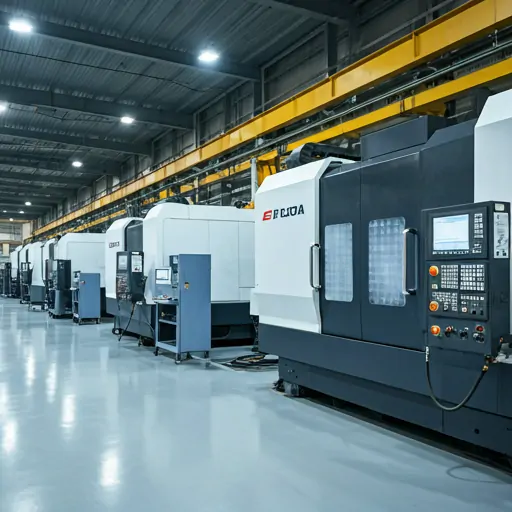
JS Model’s assembly service combines CNC-machined parts, sheet metal components, and standard hardware into mechanical subassemblies. We coordinate manufacturing, finishing, and fit checks for prototypes and small batches, so your parts arrive ready for the next stage.
Combine manufactured components with the hardware needed for your design. We review assembly drawings, mating features, and the parts list before planning the build.
We assemble machined parts into brackets, fixtures, and other mechanical units. Drawing review focuses on component orientation, mating surfaces, fastener access, and the fits needed for installation.
Combine bent panels, machined features, and mounting hardware into housings or covers. We coordinate finishing and assembly to protect visible surfaces and check alignment between adjoining parts.
Install screws, rivets, and suitable threaded inserts to the assembly drawing. Hardware selection accounts for material, joint thickness, tool access, and whether the connection needs future disassembly.
We review component fit before production and coordinate the build around approved drawings and the parts list.
Drawing and BOM Review
We review part revisions, quantities, orientation, and specified hardware.
Practical Fit Review
We review clearances, mating features, and access before assembly.
Coordinated Manufacturing
Manufacturing, finishing, and assembly follow the agreed project plan.
Assembly Checks
We check components, alignment, fastening, and condition before packing.
From Prototype Assembly to Small Batches
Start with a prototype, then use approved drawings and assembly notes for small batches. We coordinate components, hardware, and finishing through each build.
Prototype Assembly
Build a mechanical prototype to review fit, access, and installation. We manufacture the components and assemble them to your drawings so your team can evaluate the design.
✓From 1 Assembly
✓Drawing and BOM Review
✓Component Fit Checks
✓Hardware Selection Support
✓Free DFM Feedback
✓Typical Project Lead Time: 7–14 Days
Low-Volume Assembly
Order small batches of mechanical subassemblies with manufacturing and finishing coordinated together. We follow the approved parts list and assembly requirements across the build.
✓Flexible Small-Batch Quantities
✓Machining and Sheet Metal Support
✓Hardware Installed to Drawing
✓Finishing and Assembly Coordination
✓Assembly Checks Before Packing
✓Inspection Reports When Required
Repeat and Multi-Part Builds
For repeat orders or assemblies with several part numbers, we review revisions and component quantities together. Clear parts lists help keep each build matched to the current design.
✓Multiple Part Numbers per Order
✓Drawing Revisions Reviewed
✓Hardware Requirements Recorded
✓Components Matched to Each Build
✓Subassemblies Packed as Specified
✓One Point of Contact
Why Choose Our Assembly Service?
Coordinate components, hardware, finishing, and mechanical fit with one manufacturing team before shipment.
1. Manufacturing and Assembly
Keep component production and assembly requirements coordinated within one order.
2. Attention to Fit
Review mating features and clearances before the finished components are assembled.
3. Flexible Small Batches
Support prototype builds and small batches without planning a mass-production assembly line.
4. Clear Engineering Communication
Discuss drawings, hardware, and revisions with the team following your order.
Get Your Assembly in 4 Steps
Share your assembly drawing and parts list. We review the requirements and coordinate quoting, component manufacturing, assembly, and delivery.
1
Send Drawings and Parts List
Upload component and assembly drawings with the parts list, quantities, hardware, and finish requirements.
2
Review the Quote and Build Plan
We review fit, access, and inspection needs, then confirm pricing and the project schedule.
3
Manufacture and Assemble
After approval, we manufacture, finish, and assemble the components to the agreed drawings.
4
Inspect, Pack, and Ship
We check the assembled units and pack them to protect surfaces and mating features during shipment.
Benefits of Coordinated Mechanical Assembly
Planning manufacturing and assembly together helps address fit and installation details earlier. It also gives your team a clearer handoff from component production to the next build stage.
Making Angled Shapes
Rapid Tooling
High Accuracy
Various Material Options
Versatile
Cost-Effective
Time-Saving
Cost-Effectiveness
Assembly Specifications and Fit
Common hardware sizes are listed below. Final assembly requirements follow your drawing and parts list, including clearances, fastening instructions, and inspection points. CNC part tolerances do not define overall assembly accuracy.
Item
Typical Specification
Assembly Requirements
Screws and bolts
Metric M2–M8
Size, grade, and length to drawing
Blind rivets
Ø2.4–4.8 mm
Grip range and material matched to joint
Threaded inserts
Metric M2–M8
Insert type matched to base material
Tightening requirements
Drawing or joint specification
Review material, lubrication, and thread engagement
Fit and inspection
Visual and fit checks to the approved assembly drawing
Materials for Mechanical Assemblies
We assemble compatible metal and plastic components to your drawings. Select materials around loads, weight, contact surfaces, and service conditions. The lead times below cover complete manufacturing and assembly orders.
Aluminum
Aluminum suits lightweight housings, brackets, and mounting plates. Review tapped holes and insert locations where repeated assembly or disassembly could wear the base material.
Typical Parts: Housings and brackets
AssemblyNotes: Review threads and inserts
Order Quantity: Prototypes and small batches
Project Lead Time: 7–14 days
Copper
Copper is used for busbars and heat-transfer components. Mechanical mounting should preserve specified contact surfaces and avoid distortion around soft sections, holes, and connections.
Typical Parts: Busbars and heat-transfer parts
AssemblyNotes: Protect contact surfaces
Order Quantity: Prototypes and small batches
Project Lead Time: 7–14 days
Brass
Brass is practical for fittings, bushings, and connectors. Define locating features and thread requirements so the components fit correctly with adjacent metal or plastic parts.
Typical Parts: Bushings and fittings
AssemblyNotes: Define fits and threads
Order Quantity: Prototypes and small batches
Project Lead Time: 7–14 days
Stainless Steel
Stainless steel suits brackets, shafts, and mounting hardware. Specify material grade, mating fits, and fastening requirements to suit the assembly’s loads and service conditions.
Typical Parts: Brackets and shafts
AssemblyNotes: Specify joint requirements
Order Quantity: Prototypes and small batches
Project Lead Time: 7–14 days
Titanium
Titanium may suit components where low weight and corrosion resistance justify the material choice. Review mating materials and fastening requirements before manufacturing and assembly.
Typical Parts: Lightweight custom components
AssemblyNotes: Review mating materials
Order Quantity: Prototypes and small batches
Project Lead Time: 7–14 days
Plastics
ABS, PC, POM, and nylon can serve different enclosure and mechanical functions. Match inserts, fasteners, and fits to the resin’s stiffness, heat response, and use conditions.
Typical Parts: Housings, guides, and spacers
AssemblyNotes: Match hardware to resin
Order Quantity: Prototypes and small batches
Project Lead Time: 7–14 days
Surface Finishes Before Final Assembly
Choose finishes alongside fit and fastening requirements. We coordinate treatment of individual components before final assembly and identify critical threads, contact areas, and mating surfaces.
Anodizing
Anodizing adds a protective oxide layer to aluminum components. Review coating growth at locating features, threaded holes, and mating faces before assembly.
Materials: Aluminum
Color: Clear, black, grey, red, blue, gold
Texture: Smooth or matte
Bead Blasting
Bead blasting creates a consistent matte appearance on suitable components. Identify cosmetic faces and critical fits when specifying which surfaces receive treatment.
Powder coating adds a protective colored film to prepared metal parts. Mask specified threads and mating faces, and allow for coating thickness at assembly interfaces.
Materials: Aluminum, Stainless Steel, Steel
Color: Black, any RAL code or Pantone number
Texture: Matte, semi-gloss, or gloss
Electroplating
Electroplating deposits a metal layer on prepared components. Choose the plating around surface performance and review thickness where contact surfaces or close fits matter.
Materials: Compatible metals, with pretreatment
Color: Depends on plating metal
Texture: Smooth; gloss varies
Polishing
Polishing creates a smoother, more reflective metal surface. Identify edges and precision features that must retain their geometry during material removal.
Brushing produces a directional satin grain on metal components. Specify the grain direction where adjoining panels or visible parts should share a consistent appearance.
JS-MODEL has been engaged in CNC machining services for more than ten years and has served many overseas customers. Customer feedback is more substantive than any company statement — see what our partners say about working with us.
Mark Alford
Vice President
From the instant and accurate quotation to the production process to the timely delivery of parts, JS-MODEL responded to our demands with complete professionalism. They handled every aspect of this CNC machining project quickly and cost-effectively. We will surely work with them again in the future.
Luc Szorc
Mechanical Engineer
I’d like to thank everybody at JS-MODEL for the great service we received. You constantly handle our difficult CNC machining projects, and offer instant quotation and free DFM analysis. Best of all, you show superior quality in short lead times. The quality is outstanding!
Hari Mackenzie
Engineer
We asked JS-MODEL to fabricate parts for a critical supplier demo, and you came through with a short lead time. Your work is always high quality, and we are grateful for your precision in machining components. The help checking our designs and material selection has also saved us from expensive errors.
Raymond
Vice President
Parts arrived today — such beautiful assemblies! Assembly went smoothly and precision matched expectations. Please pass my thanks to your production team. We are going to send you more CNC milling projects for quote soon.
Mechanical Assembly Applications
We support mechanical subassemblies for product development and industrial equipment. Drawings and parts lists guide the component fits, mounting arrangements, and hardware required for each build.
Answers to common questions about mechanical assembly, hardware, drawings, fit requirements, and delivery.
What does your assembly service include?
We assemble machined and sheet metal components with screws, rivets, and suitable inserts. The scope follows your assembly drawing and parts list, including agreed fit checks.
Can you manufacture the parts as well?
Yes. We coordinate machining, sheet metal fabrication, finishing, and assembly in one order. The plan accounts for mating features and the sequence needed to assemble components.
What files do you need for an assembly quote?
Send component drawings, an assembly drawing, and a bill of materials showing part numbers and quantities. Include hardware specifications, finishes, critical fits, and inspection requirements.
Do you support single prototypes and small batches?
Yes. We support single prototype assemblies and small batches. Share the number of complete units and the quantity of each component when requesting a quote.
Can you source standard hardware?
We can include standard hardware in the quote. Specify sizes, grades, materials, and any required manufacturers or part numbers so the correct items can be confirmed.
What assembly accuracy can you achieve?
Assembly accuracy depends on component tolerances, locating features, clearances, and the build sequence. Mark critical assembly dimensions on the drawing so we can review the complete fit.
How do you handle tightening requirements?
Provide the required torque or joint specification. The setting depends on the fastener, mating materials, lubrication, and thread engagement. We review these requirements before assembly.
Can finishing affect how the parts fit?
Yes. Coatings can change hole sizes and mating dimensions. Specify untreated areas and final fit requirements so coating allowances and masking can be reviewed before production.
What is the typical lead time?
Typical complete manufacturing and assembly orders take 12–20 days. Timing depends on complexity, quantity, component availability, and finishing. We confirm the project schedule with the quotation.
What checks are included before shipment?
We check component presence, orientation, fit, fastening, and visible condition against the approved requirements. Specify any additional dimensional checks or reports when requesting a quote.
Ready for a Assembly Quote?
Share your files with JS-MODEL — we reply with pricing, lead time, and manufacturability notes.