Home / CNC Machining Services / CNC Milling Services
CNC Milling Service
JS Model’s CNC milling service produces housings, brackets, fixtures, and pocketed plates for prototypes and small batches. Our Shenzhen workshop machines metal and plastic parts to your drawings, with coordinated finishing and inspection.
We choose milling setups around pockets, mounting faces, angled features, and tool access. Part geometry and workholding determine whether 3-axis, 4-axis, or 5-axis machining best suits the design.
Machine flat faces, pockets, profiles, and hole patterns with access from the available cutting direction. Internal corner radii and clamping areas are reviewed before programming.
Rotary positioning gives access to features around a part, reducing manual repositioning for suitable designs. We review rotation clearance, locating datums, and tool reach before machining.
Indexed 3+2 positioning provides access to inclined faces and multi-sided features. Setups are planned around cutter clearance and workholding; clamped surfaces may need another operation.
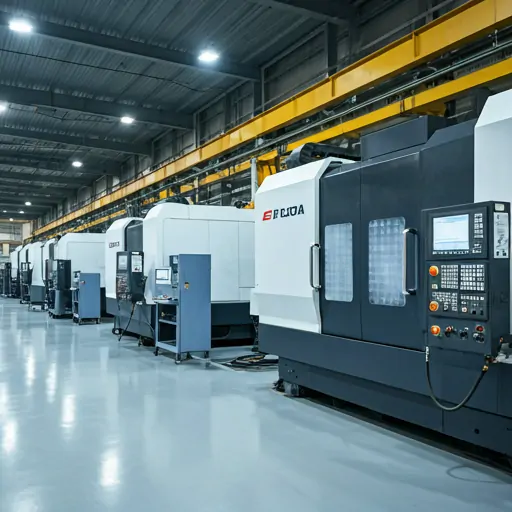
Shop-floor capacity for prototypes and production — machines, tolerances, MOQ, and finishes at a glance.
40+
CNC Machines On Site
±0.01
mm Tight Feature Tolerance
1
Prototype Minimum Order
24
Hour Quote Response
Engineering Support for Milled Parts
We review geometry, stock, workholding, and inspection before machining, turning drawings into practical milling plans.
Tool Access and Geometry Review
Review pocket depth, internal radii, angled features, and cutter clearance.
Stock and Workholding
Plan stock allowances, locating surfaces, and support for thin or flexible sections.
In-House Milling Capacity
Coordinate 3-, 4-, and 5-axis setups around the required features.
Drawing-Based Inspection
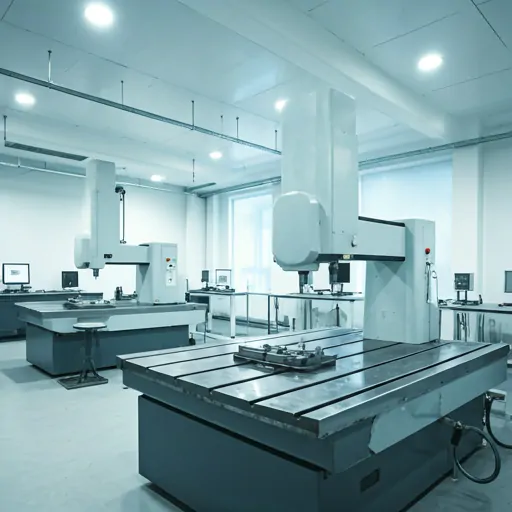
Check agreed dimensions, datums, and visible surfaces, with reports when required.
From Milled Prototypes to Small Batches
Start with a milled prototype to check fit and assembly. Approved drawings, material, and finish requirements then guide repeat parts and small-batch production.
Milled Prototypes
Machine housings, brackets, and fixtures for assembly checks and functional evaluation. We review pocket geometry, critical interfaces, and finishing before planning the first part.
✓From 1 Prototype
✓Free DFM Feedback
✓Pocket and Tool Access Review
✓Material and Finish Selection
✓Quotes Within 24 Hours
✓Typical Lead Time: 7–14 Days
Small-Batch Milled Parts
Produce 1–100 parts per design with agreed dimensions, materials, and finishes. Setup planning and inspection follow the current drawing and its critical feature requirements.
✓Flexible Batches of 1–100 Parts
✓Approved Drawing Revisions
✓Tight Metal Features Down to ±0.01 mm
✓Workholding and Process Planning
✓Finishing and Assembly Support
✓Reports Available When Required
Repeat and Multi-Part Orders
Order several milled part numbers in small quantities. We coordinate stock, machining, and identification per design, with mating housings, plates, and brackets reviewed together.
✓Multiple Part Numbers per Order
✓Quantities Defined per Design
✓Material and Condition Recorded
✓Mating Features Reviewed Together
✓Parts Identified for Delivery
✓One Point of Contact
Why Choose JS Model for CNC Milling?
Bring drawing review, milling, finishing, and inspection into one coordinated project, from a first prototype to repeat parts.
1. Feature-Based Drawing Review
Focus machining plans on functional faces, hole patterns, and critical interfaces.
2. Practical Fixtures and Setups
Plan locating and clamping around tool access and part stiffness.
3. Finishing Planned Early
Review visible faces, masking, and coating effects before machining begins.
4. Prototype and Small-Batch Focus
Support drawing updates, single prototypes, and manageable batches per design.
Get Milled Parts in 4 Steps
Send CAD and drawing requirements. We review the milling plan, confirm pricing, and coordinate machining, inspection, and delivery.
1
Upload Your Design
Send CAD and drawings with material, quantity, tolerances, finish, and inspection requirements.
2
Review the Quote
We assess access, workholding, and critical features, then confirm pricing and lead time.
3
Machine and Finish
After approval, we mill to the drawing and coordinate specified finishing and secondary operations.
4
Inspect and Deliver
We check agreed dimensions and appearance, then pack parts to protect precision features.
Benefits of CNC Milling
CNC milling removes material with rotating cutters to create functional features in metal and plastic. Tool access, setups, and material selection guide the finished result.
Pocketed Geometry
Create pockets, channels, slots, and raised bosses, with internal radii and cutter reach considered during design.
Mounting Faces and Datums
Machine mounting surfaces and reference features that help locate components during inspection and assembly.
Hole Patterns and Threads
Combine holes, counterbores, and threads around mounting requirements, with position and depth specified in the drawing.
Material Choice
Choose metal or plastic for weight, stiffness, conductivity, or insulation, with grade and stock condition reviewed.
Functional Prototypes
Evaluate fit, clearance, and assembly using machined materials before committing to repeat parts or a small batch.
Multi-Sided Features
Use rotary positioning or additional setups to reach features on several faces while managing datum relationships.
Design Updates
Update CAD and drawings between revisions, with tooling, stock, and setup changes reviewed before machining.
Finishing and Assembly Support
Coordinate treatments and mating requirements so machined parts arrive ready for the agreed next assembly stage.
CNC Milling Tolerances
Typical tolerances for suitable metal features are ±0.05 mm, with tighter features down to ±0.01 mm. Geometric, plastic-part, and finished-surface requirements are reviewed separately against your drawing.
Feature
Typical Tolerance
Tight Tolerance
Linear dimension
±0.05 mm
Down to ±0.01 mm
Hole diameters
±0.05 mm
Down to ±0.01 mm
Shaft diameters
±0.05 mm
Down to ±0.01 mm
Threads
Metric / UNC / UNF
Special threads reviewed on request
Gantry CNC travel (X × Y × Z)
2,500 × 1,800 × 600 mm; usable part size depends on tooling and workholding.
Materials for CNC-Milled Parts
Select material around stiffness, weight, conductivity, corrosion resistance, and service conditions. Grade and stock form guide tooling, workholding, and finishing for each milled part.
Aluminum
Aluminum suits lightweight housings, brackets, fixtures, and thermal components. Grade, temper, and stock condition are reviewed around pocket geometry, thin sections, and the specified finish.
Common Grades: 6061 / 7075
Common Uses: Housings, brackets, and fixtures
Machining Notes: Thin-section support
Project Lead Time: 7–14 days
Copper
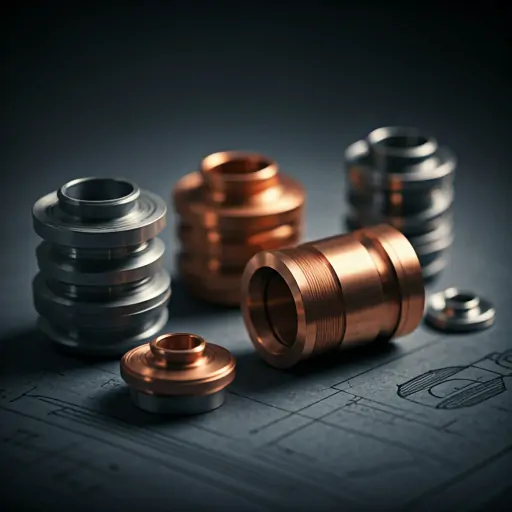
Copper suits electrical contacts and heat-transfer components. Its ductility calls for attention to burrs, tool selection, and clamping around thin sections and functional contact surfaces.
Common Grades: C110
Common Uses: Contacts and thermal parts
Machining Notes: Burr and clamping control
Project Lead Time: 7–14 days
Brass
Brass is a common option for fittings, connectors, and precision components. Grade, thread details, and burr control are reviewed around each part’s functional surfaces.
Common Grades: C360; others reviewed
Common Uses: Connectors and fittings
Machining Notes: Grade-specific requirements
Project Lead Time: 7–14 days
Stainless Steel
Stainless steel suits durable brackets, housings, and fixtures. Grade, tool rigidity, and heat management influence pocket machining, hole quality, and the required surface finish.
Common Grades: 303 / 316L
Common Uses: Brackets, housings, and fixtures
Machining Notes: Rigidity and finish control
Project Lead Time: 7–14 days
Steel
Steel suits fixtures, mounting plates, and load-bearing components. Grade, supply condition, and any heat treatment are reviewed alongside machinability, dimensions, and surface requirements.
Grade Options: 1045 / 4140, reviewed
Common Uses: Fixtures and mounting plates
Machining Notes: Supply and heat-treatment condition
Project Lead Time: 7–14 days
Engineering Plastics
Engineering plastics suit insulators, guides, housings, and prototype components. Temperature, moisture response, and clamping deformation affect dimensions, especially around thin walls and broad flat surfaces.
Common Types: POM / ABS / PC / PA
Common Uses: Insulators, guides, and housings
Machining Notes: Material-specific tolerances
Project Lead Time: 7–14 days
Surface Finishes for CNC Milling
Gain access to quality surface finishing for custom CNC milling parts to remove aesthetic flaws and improve the appearance of your products. We also provide rigid protection and additional resistance and strength to your parts through superior surface finishes.
Anodizing
Anodizing forms a protective oxide layer on aluminum parts. Specify color, visible faces, and masked areas, with coating effects reviewed around holes, threads, and mating surfaces.
Materials: Aluminum
Color: Clear, black, gray; others on request
Texture: Preparation dependent
Bead Blasting
Bead blasting creates a matte appearance on accessible surfaces. Media, pressure, and masking are reviewed around thin walls, critical fits, and the selected base material.
Powder coating adds a protective colored finish to suitable metals. Specify threads, mating faces, and electrical contact areas requiring masking so coating buildup is included in the plan.
Materials: Aluminum, stainless steel, steel
Color: RAL colors; matching on request
Texture: Matte, semi-gloss, or gloss
Electroplating
Electroplating adds a metal coating for protection or appearance. Plating metal, preparation, and thickness are selected for the base alloy, with critical dimensions reviewed.
Materials: Steel, brass, copper; others reviewed
Color: Plating metal dependent
Texture: Process dependent
Polishing
Polishing can smooth accessible milled surfaces and improve reflectivity. Specify cosmetic areas and critical dimensions so material removal is planned around fit and finish requirements.
Brushing creates a satin grain on accessible metal surfaces. Specify grain direction and visible faces, with critical fits, threads, and contact areas protected as required.
Examples include pocketed aluminum parts, heat sinks, and inspected machined components. Share drawings to discuss similar geometry, material, and finishing requirements.
JS-MODEL has been engaged in CNC machining services for more than ten years and has served many overseas customers. Customer feedback is more substantive than any company statement — see what our partners say about working with us.
Mark Alford
Vice President
From the instant and accurate quotation to the production process to the timely delivery of parts, JS-MODEL responded to our demands with complete professionalism. They handled every aspect of this CNC machining project quickly and cost-effectively. We will surely work with them again in the future.
Luc Szorc
Mechanical Engineer
I’d like to thank everybody at JS-MODEL for the great service we received. You constantly handle our difficult CNC machining projects, and offer instant quotation and free DFM analysis. Best of all, you show superior quality in short lead times. The quality is outstanding!
Hari Mackenzie
Engineer
We asked JS-MODEL to fabricate parts for a critical supplier demo, and you came through with a short lead time. Your work is always high quality, and we are grateful for your precision in machining components. The help checking our designs and material selection has also saved us from expensive errors.
Raymond
Vice President
Parts arrived today — such beautiful milled parts! Assembly went smoothly and precision matched expectations. Please pass my thanks to your production team. We are going to send you more CNC milling projects for quote soon.
What Customers Say About JS Model
Customers share feedback on manufacturing support, part quality, and delivery across custom part projects completed with JS Model.
Answers to common questions about milling setups, tool access, thin walls, tolerances, part sizes, surface requirements, quantities, and project lead times.
What should I send for a CNC milling quote?
Send CAD and drawings with material, quantity, critical tolerances, finish, and inspection requirements. Mark cosmetic faces and mating features where relevant.
How do you choose between 3-, 4-, and 5-axis milling?
We review geometry, tool access, datums, and workholding. Extra axes can improve access, but the best setup depends on the features and clamping requirements.
Can you mill sharp internal corners or undercuts?
Vertical internal corners retain a cutter radius. Selected undercuts are possible with suitable tooling and access; enclosed or inaccessible features need a separate process review.
How thin can walls be on milled parts?
Use about 1.0 mm for metal walls and 1.5 mm for plastic walls as starting references. Wall height, span, material, and support determine feasibility.
What tolerances can you achieve with CNC milling?
Typical metal feature tolerances are ±0.05 mm, with tighter features down to ±0.01 mm. Plastic, geometric, and finished-surface requirements are reviewed separately against your drawing.
How large can a CNC-milled part be?
For suitable large aluminum parts, approx. 2,000 × 1,500 × 400 mm is an initial reference. Stock, tooling, fixtures, orientation, and weight determine usable capacity.
Can you combine milling with turning and assembly?
Yes. We can coordinate milling, turning, finishing, and assembly as required. Feature access, locating datums, and mating requirements guide the operations and inspection plan.
Does a surface roughness value guarantee no visible tool marks?
No. Roughness and appearance are different requirements. Specify cosmetic faces, acceptable marks, and finishing expectations; meeting a Ra value can still leave visible tool marks.
Can I order single prototypes and small batches?
We support single prototypes and batches of 1–100 parts per design. Provide quantities, revisions, and finishes for each part number.
How long does a CNC milling project take?
Typical projects take 7–14 days, including agreed finishing and inspection. Material, geometry, quantity, and secondary operations affect the schedule confirmed in your quote.
Ready for a CNC Milling Quote?
Share your files with JS-MODEL — we reply with pricing, lead time, and manufacturability notes.