Home / Value-Added Solutions / Rapid Prototyping Service
Rapid Prototyping Service
JS Model’s rapid prototyping service turns your CAD files into metal and plastic parts for fit checks, assembly trials, and functional testing. We help you choose CNC machining, sheet metal fabrication, or urethane casting for each design.
Choose the CNC approach around your prototype’s geometry and critical features. Our 3-, 4-, and 5-axis machining options support metal and plastic parts for development and evaluation.
A practical choice for prototype brackets, housings, and fixtures with accessible features. We machine flat faces, pockets, slots, and threaded holes for early assembly and fit checks.
For prototypes with features on several sides, 4-axis machining provides additional access through rotary positioning. It can reduce manual repositioning for suitable parts and help maintain feature relationships.
5-axis machining provides tool access for complex prototype geometry, angled features, and curved surfaces. It can reduce setups for suitable parts while helping preserve alignment between critical features.
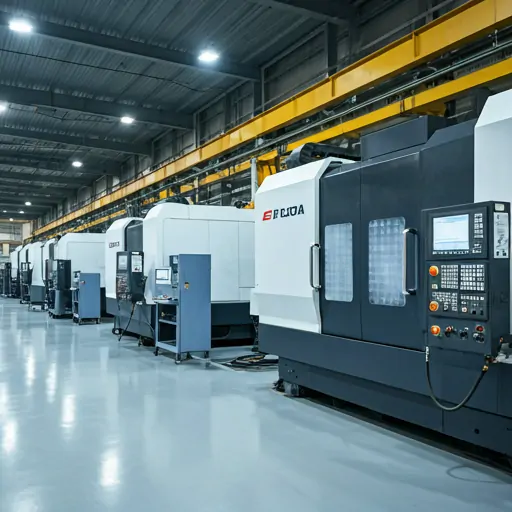
Shop-floor capacity for prototypes and production — machines, tolerances, MOQ, and finishes at a glance.
40+
CNC Machines
±0.01
mm Tolerances
1
PC MOQ
30+
Surface Finishes
Engineering Support for Your Prototype
Your drawings, material, and test requirements guide our machining and inspection plan. We focus on the features that matter to your prototype.
Manufacturing Experience
Practical shop-floor experience helps identify features that affect machining, assembly, and prototype performance.
Design Feedback
We review tool access, thin walls, threads, and tolerances before you commit to the build.
Flexible CNC Capacity
Our 3-, 4-, 5-axis, and gantry machining options support a range of prototype geometries.
Drawing-Based Inspection
We check specified dimensions and provide inspection reports to support your design review.
From First Prototype to Production
Move from initial hardware to a design ready for the next build. JS Model supports prototype machining, revised parts, and pilot batches, with finishing and inspection coordinated around your drawings.
Fit and Assembly Prototypes
Build physical parts to check clearances, mounting points, and how components fit together. Metal and plastic prototypes support hands-on assembly trials before you approve the next drawing.
✓Metal and Plastic Parts
✓One-Part Orders Supported
✓Mounting and Interface Checks
✓Critical Dimensions Reviewed
✓Free DFM Feedback
✓Typical Lead Times: 7–14 Days
Functional Prototype Builds
Evaluate your design using the specified material and critical dimensions. We manufacture prototype components for your functional tests, with machining, finishing, and inspection matched to the test requirements.
✓Application-Based Material Selection
✓Tight CNC Tolerances Down to ±0.01 mm
✓Threads and Mating Features
✓Surface Finishing Options
✓Dimensional Inspection Reports
✓Assembly Support
Revisions and Pilot Builds
Use prototype findings to update your drawings, then order revised parts or a small pilot batch. We review revision changes before machining to keep the next build aligned with your design.
✓Updated Drawings Reviewed
✓Revision Details Confirmed
✓Flexible Batches of 1–100 Parts
✓Multiple Part Numbers Supported
✓Finishing and Assembly Support
✓Support from Prototype to Production
Why Choose Our Rapid Prototyping Service?
Choose JS Model for prototype parts made to your drawings, with practical process advice and direct engineering communication.
1. Parts for Practical Testing
Check fit, assembly, and material behavior with parts made to your drawings.
2. Process Selection Before Machining
Choose a method that suits your geometry, material, quantity, and test purpose.
3. Clear Revision Communication
We confirm drawing changes and critical requirements before starting the next prototype build.
4. Finishing for Evaluation
Evaluate appearance and surface requirements alongside fit and function when your project needs both.
Get Your Prototype in 4 Steps
Share your drawings and prototype requirements. We review the design, prepare a quote, then coordinate machining, inspection, and delivery.
1
Share Your Design
Upload your CAD files or drawings, quantity, material, and finish requirements. Identify the features you need to evaluate.
2
Review Your Quote
Receive free DFM feedback, pricing, and an estimated lead time. Confirm the drawing revision and critical requirements.
3
Approve and Build
After approval, we manufacture your prototype using the agreed process, material, and surface finish.
4
Inspect and Ship
We check specified dimensions, pack your parts securely, and ship them for your assembly trials or testing.
How Prototypes Support Product Development
Physical prototypes help engineering teams assess a design before committing to a larger build. Choose the material, process, and finish around the questions you need the prototype to answer.
Check Fit and Clearances
Verify mating features, assembly space, and mounting interfaces with physical parts before approving the design.
Test Functional Requirements
Use prototypes made in the specified material to evaluate the performance requirements relevant to your application.
Compare Design Revisions
Build updated versions to compare geometry changes and resolve issues identified during assembly or testing.
Evaluate Material Choices
Compare suitable metals and plastics for weight, stiffness, machinability, and other properties that matter to the design.
Validate Complex Geometry
Review multi-sided features, angled holes, and curved surfaces using CNC processes selected for the prototype.
Assess Surface Appearance
Evaluate color, gloss, texture, and visible surfaces before defining the finish for later production.
Build Only What You Need
Order a single prototype or a small set of components for a focused engineering review.
Prepare for Pilot Builds
Carry forward what you learn about materials, tolerances, and assembly into the next batch.
Prototype Machining Tolerances
For CNC machined metal prototypes, typical tolerances are ±0.05 mm, with tighter tolerances down to ±0.01 mm on suitable features. We review critical dimensions, GD&T callouts, and thread requirements against your drawings.
Type
Typical
Tight (geometry dependent)
Linear dimension
±0.05 mm
Down to ±0.01 mm
Hole diameters
±0.05 mm
Down to ±0.01 mm
Shaft diameters
±0.05 mm
Down to ±0.01 mm
Threads
Metric / UNC / UNF
Custom threads on request
Gantry CNC travel (X × Y × Z)
2,500 × 1,800 × 600 mm (98.4 × 70.9 × 23.6 in)
Materials for Functional Prototypes
Choose prototype materials for the properties you need to evaluate. CNC tolerances and approximate part sizes depend on the material, geometry, and setup.
Aluminum
Aluminum is a practical choice for lightweight prototype housings, brackets, and fixtures. Its good machinability supports design revisions, while a suitable alloy can represent the material planned for later production.
Prototype Uses: Housings, brackets, and fixtures
Lead Time: 7–14 days
Tight Tolerance: ±0.01 mm
Part Size: Up to approx: 2,000 × 1,500 × 400 mm
Copper
Copper suits prototype components that need high electrical or thermal conductivity. Common examples include busbars, contacts, and heat sinks used to evaluate electrical connections or heat transfer in an assembly.
Prototype Uses: Busbars, contacts, and heat sinks
Lead Time: 7–14 days
Tolerances: ±0.01 mm
Part Size: Up to approx: 2,000 × 1,500 × 400 mm
Brass
Brass combines good machinability, corrosion resistance, and a gold appearance. It is useful for prototype fittings, bushings, and connectors where fit, movement, or appearance needs to be assessed.
Prototype Uses: Fittings, bushings, and connectors
Lead Time: 7–14 days
Tolerances: ±0.01 mm
Max part size: 2,000 × 1,500 × 400 mm
Stainless Steel
Stainless steel is useful when a prototype needs corrosion resistance, strength, or durability. Machined shafts, housings, and fittings help you assess assembly and material performance before committing to a larger build.
Prototype Uses: Shafts, housings, and fittings
Lead Time: 7–14 days
Tight Tolerance: ±0.01 mm
Part Size: Up to approx: 2,000 × 1,500 × 400 mm
Titanium
Titanium supports prototypes where low weight, strength, and corrosion resistance are key design requirements. It can be used for lightweight structural components and fasteners that need evaluation in the intended material.
Prototype Uses: Lightweight structural parts and fasteners
Lead Time: 7–14 days
Tight Tolerance: ±0.01 mm
Part Size: Up to approx: 2,000 × 1,500 × 400 mm
Plastics
Engineering plastics are useful for lightweight prototypes, sliding components, and insulating parts. Choose available plastics according to the stiffness, friction, chemical resistance, and temperature requirements being evaluated.
Material Options: POM, HDPE, PET, Nylon, PTFE, PVC
Lead Time: 7–14 days
Tolerances: ±0.01 mm
Part Size: Up to approx: 2,000 × 1,500 × 400 mm
Surface Finishes for Prototype Evaluation
Choose a finish that supports the prototype evaluation. We coordinate functional and cosmetic treatments for corrosion resistance, wear resistance, color, and surface texture, based on the material and application.
Anodizing
Anodizing adds a protective oxide layer to aluminum prototypes. Use it to evaluate color, surface hardness, and corrosion resistance when the final part will require an anodized finish.
Materials: Aluminum
Color: Clear, black, grey, red, blue, gold
Texture: Smooth or matte
Bead Blasting
Bead blasting gives prototype surfaces a consistent matte appearance and softens the look of machining marks. It is useful for visual reviews or as preparation for further finishing.
Powder coating adds color and a durable protective layer to metal prototypes. It is useful for evaluating the appearance and finish of enclosures, covers, and other visible components.
Materials: Aluminum, Stainless Steel, Steel
Color: RAL colors; Pantone matching on request
Texture: Matte, semi-gloss, or gloss
Electroplating
Electroplating adds a metal layer for appearance or surface performance. Specify the plating material so the prototype can be evaluated for the finish and requirements intended for the final part.
Materials: Aluminum, Steel, Stainless Steel
Color: Depends on plating metal
Texture: Smooth; gloss varies by plating
Polishing
Polishing improves surface smoothness and reflectivity on metal prototypes. It is useful for assessing visible surfaces, cosmetic quality, and the finish level required before approving the design for production.
Brushing creates a directional grain and satin appearance on metal prototypes. It is useful for reviewing visible panels, covers, and housings where the final surface needs a consistent linear texture.
Explore examples of machined parts and inspection work from our Bao’an workshop, including housings, heat sinks, and precision components for development projects.
JS-MODEL has been engaged in CNC machining services for more than ten years and has served many overseas customers. Customer feedback is more substantive than any company statement — see what our partners say about working with us.
Mark Alford
Vice President
From the instant and accurate quotation to the production process to the timely delivery of parts, JS-MODEL responded to our demands with complete professionalism. They handled every aspect of this CNC machining project quickly and cost-effectively. We will surely work with them again in the future.
Luc Szorc
Mechanical Engineer
I’d like to thank everybody at JS-MODEL for the great service we received. You constantly handle our difficult CNC machining projects, and offer instant quotation and free DFM analysis. Best of all, you show superior quality in short lead times. The quality is outstanding!
Hari Mackenzie
Engineer
We asked JS-MODEL to fabricate parts for a critical supplier demo, and you came through with a short lead time. Your work is always high quality, and we are grateful for your precision in machining components. The help checking our designs and material selection has also saved us from expensive errors.
Raymond
Vice President
Parts arrived today — such beautiful prototypes! Assembly went smoothly and precision matched expectations. Please pass my thanks to your production team. We are going to send you more CNC milling projects for quote soon.
Rapid Prototyping Applications
Our prototypes support product and equipment development across industrial applications. We manufacture components for your assembly reviews, design iterations, and testing, with material and process choices matched to each project.
Answers to common questions about prototype processes, materials, design revisions, and getting started.
What does your rapid prototyping service include?
We produce physical parts from your designs for fit checks, assembly trials, and functional evaluation. Available processes include CNC machining, sheet metal fabrication, and urethane casting, with finishing and inspection support.
Which process should I choose for my prototype?
Choose according to the material, geometry, quantity, and what you need to test. We review your drawings and recommend CNC machining, sheet metal fabrication, or urethane casting where suitable.
Can I order just one prototype?
Yes. We accept single-part prototype orders and small sets of components. Share the part quantities and assembly requirements so we can plan the build around your evaluation.
Can you use the material planned for production?
For CNC prototypes, we can machine the specified production material when the grade and stock are available. Cast prototypes use a suitable casting resin, selected for the application.
How long does a prototype take?
Typical lead times are 12–20 days, depending on complexity, material availability, quantity, and finishing requirements. We confirm the schedule after reviewing your files and prototype requirements.
What files do you need for a quote?
Send your CAD files or 2D drawings, quantity, material, and finish requirements. Mark critical dimensions and explain the prototype’s intended use so we can review manufacturability and prepare a quote.
Can you manufacture a revised version?
Yes. Send the updated files and identify the changes. We review the drawing revision, affected features, and requirements before quoting or machining the next prototype.
Do prototypes need the final surface finish?
Finish requirements depend on the evaluation. Cosmetic prototypes may need final color and texture. For assembly checks, account for coating thickness on mating surfaces when the final design includes a coating.
What tolerances can you achieve?
For CNC machined metal prototypes, typical tolerances are ±0.05 mm, with ±0.01 mm available on suitable features. Plastic tolerances depend on the material and geometry.
Can you support the next small production run?
Yes. After prototype evaluation, we can manufacture revised parts or pilot batches of 1–100 pieces. Confirm the released drawing revision, material, finish, and inspection requirements before the next build.
Ready for a Rapid Prototyping Quote?
Share your files with JS-MODEL — we reply with pricing, lead time, and manufacturability notes.