Home / Value-Added Solutions / Surface Finishing Service
OurSurface Finishing Service
JS Model’s surface finishing service helps you specify the appearance and surface protection of custom parts. We coordinate bead blasting, anodizing, powder coating, plating, polishing, and brushing with machining and fabrication for prototypes and small batches.
Choose a finish around the material, visible surfaces, and operating conditions. We review your drawing and coordinate preparation, coating, and inspection with the rest of your part order.
Bead blasting, brushing, and polishing change surface texture by treating the base material. Choose a matte, directional, or reflective appearance to suit exposed faces and handling requirements.
Anodizing forms a protective oxide layer on aluminum. Review color, surface preparation, and critical fits together, since alloy choice and coating growth affect the finished result.
Powder coating and electroplating add a finish to compatible metal parts. Select the coating around color, protection, contact surfaces, and assembly clearances, with suitable pretreatment for the substrate.
Combine part manufacturing with a choice of finishing processes. Our team coordinates drawing review, finishing requirements, and delivery through one point of contact.
40+
CNC Machines
±0.01
mm Tolerances
1
PC MOQ
30+
Surface Finishes
Support from Finish Selection to Inspection
We review finish requirements before production, including material compatibility, cosmetic surfaces, and critical fits. The agreed plan covers both appearance and assembly needs.
Material and Process Review
We review the proposed finish against your material grade and intended use.
Clear Finish Requirements
We clarify color, texture, visible faces, and masking notes before production.
Coordinated Processing
We coordinate manufacturing and finishing, including specialist processing partners where needed.
Final Appearance Checks
We check finished parts against drawing notes for visible defects and protected areas.
Finishing from Prototype to Small Batch
A prototype may need a sample finish, while a repeat batch needs a clear reference. We coordinate finishing with manufacturing and inspection to suit the stage of your project.
Prototype Finish Evaluation
Use a finished prototype to review color, texture, and assembly fit before the next order. We help define visible faces and finish requirements for the first build.
✓Finishing with Prototype Manufacturing
✓Color and Texture Review
✓Cosmetic Surfaces Identified
✓Masking Requirements Reviewed
✓Quotes Within 24 Hours
✓Typical Complete Orders: 7– 14 Days
Small-Batch Finished Parts
For batches of 1–100 parts, define the finish alongside material and dimensions. We coordinate processing and inspection so appearance requirements stay clear throughout the order.
✓Flexible Batches of 1–100 Parts
✓Machining and Finishing Coordination
✓Specified Critical Areas Protected
✓Consistent Finish Instructions
✓Final Appearance Checks
✓Assembly Support Where Required
Repeat and Multi-Part Orders
For several part numbers or repeat orders, use agreed finish references and drawing revisions. We coordinate the requirements for matching visible parts and different materials in one project.
✓Multiple Part Numbers per Order
✓Finish References Recorded
✓Drawing Revisions Reviewed
✓Matching Parts Identified
✓Material-Specific Processing
✓One Point of Contact
Why Choose Our Surface Finishing Service?
Get practical finish advice with your part order, covering material compatibility, appearance, and coordination between machining and finishing.
1. Material-Specific Advice
Choose a finish suited to your material, service environment, and appearance requirements.
2. Attention to Fit
Review coating buildup and masking around threads, mating faces, and critical features.
3. One Coordinated Order
Coordinate manufacturing and finishing through one contact and an agreed process plan.
4. Clear Finish Communication
Share drawings and appearance references with engineers who follow your order through shipment.
Get Finished Parts in 4 Steps
Share your drawings and finish requirements. We review the process, confirm pricing, and coordinate manufacturing and finishing through delivery.
1
Review the Process and Quote
We review compatibility, masking, appearance, and delivery requirements before confirming pricing and the processing plan.
2
Manufacture and Finish
After approval, we manufacture the parts and coordinate preparation and finishing to the agreed drawing requirements.
3
Inspect, Pack, and Ship
We check finished parts and protect visible surfaces during packing for shipment on the agreed schedule.
4
What the Right Surface Finish Can Do
Surface finishing changes the exposed surface of a part. It can improve appearance, corrosion protection, wear behavior.
What the Right Surface Finish Can Do
Surface finishing changes the exposed surface of a part. Depending on the process, it can improve appearance, corrosion protection, wear behavior, or suitability for the intended application.
Improve Visual Consistency
Reduce visible machining marks and create a more consistent appearance across specified cosmetic faces.
Add Corrosion Protection
Use a suitable coating and pretreatment to help protect compatible metals in their service environment.
Improve Surface Wear Resistance
Selected anodized or plated finishes can improve resistance to surface wear for suitable applications.
Control Texture and Gloss
Choose a matte, satin, brushed, or polished effect to suit appearance and handling requirements.
Add Color to Parts
Use anodizing or powder coating to define product colors, with an agreed reference where appearance matters.
Support Electrical Requirements
Specify conductive contact areas or insulating finishes where needed, and review the process with your drawing.
Prepare Surfaces for Coating
Compatible blasting or other preparation helps create the surface condition needed for the selected coating.
Support Assembly Fit
Plan coating allowances and masking so treated surfaces work with threads, mating parts, and assembly clearances.
Surface Finish Specifications and Fit
Coatings can change dimensions, while blasting and polishing can alter texture or remove material. Specify finish thickness, critical fits, and masking areas on your drawing. We review process limits before confirming the order.
Process / Requirement
Typical Specification
Application Notes
Clear Anodizing — Type II
Coating thickness: 5–15 μm
Aluminum; clear or natural appearance
Colored Anodizing — Type II
Coating thickness: 10–25 μm
Aluminum; color depends on alloy and preparation
Powder Coating
Coating thickness: 60–90 μm
Compatible metals; matte, semi-gloss, or gloss
Bead Blasting
Uniform matte finish
Texture depends on material and blasting media
Masking and Critical Fits
Mask specified threads, bores, and mating faces. Confirm coating allowances and untreated areas on the drawing.
Materials for Surface Finishing Parts
Finish selection depends on the exact material grade, part geometry, and intended use. The options below guide selection. The 12–20 day lead time refers to complete manufacturing orders with finishing, subject to quotation.
Aluminum
Aluminum works with anodizing, bead blasting, polishing, and powder coating. Alloy grade and surface preparation affect the result, especially when color and appearance must be coordinated across several parts.
Copper parts often need attention to tarnish, surface condition, and electrical contacts. Polishing or suitable plating can adjust appearance or surface performance while leaving specified connection areas available.
Finish Options: Polishing or suitable plating
Common Uses: Busbars and electrical components
Finish Notes: Identify critical contact surfaces
Project Lead Time: 7–14 days
Brass
Brass suits decorative and functional components where a metallic appearance matters. Brushing, polishing, or suitable plating can adjust the finish, with the choice guided by appearance and service conditions.
Finish Options: Brushing, polishing, or plating
Common Uses: Fittings, trim, and connectors
Finish Notes: Specify appearance and tarnish protection
Project Lead Time: 7–14 days
Stainless Steel
Stainless steel can be brushed, polished, or bead blasted for a range of surface effects. Grade and use conditions matter when selecting the finish and defining corrosion or cleaning requirements.
Finish Notes: Grade and surface preparation matter
Project Lead Time: 7–14 days
Steel
Steel parts commonly use powder coating or suitable plating for surface protection. Review pretreatment, service conditions, and any exposed edges or contact faces when specifying the finish.
Finish Options: Powder coating or suitable plating
Common Uses: Enclosures, frames, and brackets
Finish Notes: Define pretreatment and protected areas
Project Lead Time: 7–14 days
Plastics
Plastic finishes depend strongly on the resin. Selected plastics can be bead blasted or polished, but heat sensitivity and chemical compatibility require review before choosing a process for visible surfaces.
Finish Options: Blasting or polishing, by material
Common Uses: Prototype housings and clear covers
Finish Notes: Confirm resin and heat sensitivity
Project Lead Time: 7–14 days
Surface Finishing Processes We Offer
Compare the six options below by substrate, appearance, and function. We review preparation, coating buildup, and cosmetic requirements before confirming the finish for your part.
Anodizing
Anodizing converts the aluminum surface into a protective oxide layer. It can improve corrosion and surface wear resistance, with color and appearance influenced by alloy, preparation, and process.
Materials: Aluminum
Common Uses: Clear, black, grey, red, blue, gold
Texture: Smooth or matte, based on preparation
Bead Blasting
Bead blasting creates an even matte appearance by treating the surface with fine media. The result depends on the material, media, and pressure, and it can precede compatible coatings.
Materials: Aluminum, brass, stainless steel, steel, selected ABS parts
Color: Base material color
Texture: Uniform matte
Powder Coating
Powder coating applies a dry powder to prepared metal and cures it into a protective film. It offers color and gloss choices for enclosures, panels, and other fabricated parts.
Materials: Aluminum, stainless steel, steel
Color: RAL colors, with custom references reviewed
Texture: Matte, semi-gloss, or gloss
Electroplating
Electroplating deposits a metal layer on a prepared conductive surface. The selected plating metal affects appearance, corrosion protection, and electrical behavior, while pretreatment depends on the base
Materials: Steel, copper, brass, prepared aluminum or stainless steel
Color: Depends on plating metal
Texture: Smooth, with gloss depending on process
Polishing
Polishing reduces surface irregularities to create a smoother, more reflective appearance. The achievable result depends on the base material and starting surface, with critical edges and dimensions reviewed beforehand.
Brushing uses abrasives to create a directional grain on metal surfaces. Specify the brushing direction and cosmetic faces so the satin appearance suits the part and adjacent components.
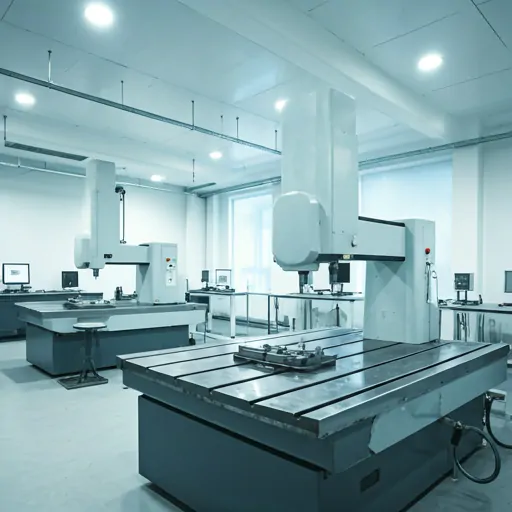
Examples of custom parts and inspection from our workshop. Share your appearance and functional requirements when requesting a manufacturing and finishing quote.
JS-MODEL has been engaged in CNC machining services for more than ten years and has served many overseas customers. Customer feedback is more substantive than any company statement — see what our partners say about working with us.
Mark Alford
Vice President
From the instant and accurate quotation to the production process to the timely delivery of parts, JS-MODEL responded to our demands with complete professionalism. They handled every aspect of this CNC machining project quickly and cost-effectively. We will surely work with them again in the future.
Luc Szorc
Mechanical Engineer
I’d like to thank everybody at JS-MODEL for the great service we received. You constantly handle our difficult CNC machining projects, and offer instant quotation and free DFM analysis. Best of all, you show superior quality in short lead times. The quality is outstanding!
Hari Mackenzie
Engineer
We asked JS-MODEL to fabricate parts for a critical supplier demo, and you came through with a short lead time. Your work is always high quality, and we are grateful for your precision in machining components. The help checking our designs and material selection has also saved us from expensive errors.
Raymond
Vice President
Parts arrived today — such beautiful finished parts! Assembly went smoothly and precision matched expectations. Please pass my thanks to your production team. We are going to send you more CNC milling projects for quote soon.
Surface Finishing Applications
The right finish depends on how a part looks, fits, and operates. We support finish selection for custom components in product development, industrial equipment, and small-batch manufacturing.
Industrial-grade robotics prototyping and parts manufacturing that support continuous evolution in the robotics market.
Start your project
Need the Right Finish for Your Custom Parts?
JS Model coordinates manufacturing and surface finishing around your drawings. Get practical advice on process selection, cosmetic faces, and critical fits.
Upload your files with the material, finish type, color reference, and quantity for pricing and a project lead time.
Answers to common questions about finish selection, material compatibility, appearance, and assembly requirements before you request a quote.
What does your surface finishing service include?
We coordinate anodizing, bead blasting, powder coating, electroplating, polishing, and brushing with custom part manufacturing. Options depend on your material, geometry, and drawing requirements.
How do I choose the right finish?
Start with your material, service environment, and desired appearance. Tell us whether protection, wear, color, texture, or electrical contact matters most so we can review suitable options.
Can every finish be applied to every material?
No. Anodizing, powder coating, and plastic finishing require different substrates and preparation. Share the exact alloy or resin grade so we can review compatibility.
Will finishing affect part dimensions?
It can. Coatings add material or create surface growth, while polishing and blasting can remove material. Identify final dimensions and critical fits for allowance and masking review.
Can you match a specific color and texture?
Provide a color reference or sample and identify visible surfaces. Appearance depends on material, preparation, and process. Review a representative sample when matching adjacent parts is critical.
How long does manufacturing with finishing take?
Typical complete manufacturing orders with finishing take 7–14 days. We confirm timing in the quote. Standalone finishing requires separate scope and lead-time review.
Can I order a small quantity?
Manufacturing orders support prototypes from one part and batches of 1–100 parts. Some finishes involve a minimum processing charge, confirmed with the quotation.
What files and finish details should I send?
Send CAD files or drawings with the material, quantity, finish specification, color reference, and masking notes. Identify cosmetic faces and dimensions requiring inspection after finishing.
Can I combine finishing with machining or sheet metal work?
Yes. We coordinate machining or sheet metal fabrication with finishing and inspection in one order, aligning preparation, coating allowances, appearance requirements, and delivery.
Which areas should be masked?
Mark threads, precision bores, mating faces, and electrical contacts that must remain untreated. We review masking access, process limits, and rack contact locations.
Ready for a Surface Finishing Quote?
Share your files with JS-MODEL — we reply with pricing, lead time, and manufacturability notes.